
Where is Worldbuilding Possible?_


Frame i: The Decameron.

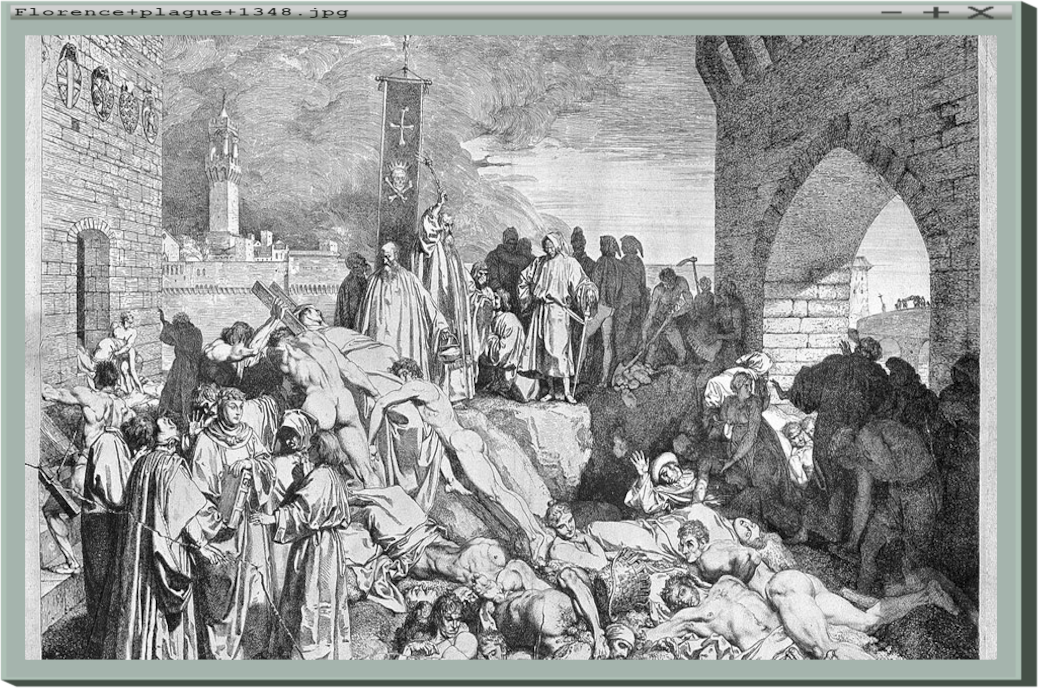
The plague of Florence in 1348, as described in Boccaccio's Decameron. Etching by L. Sabatelli

Throughout Professor Shemek’s lectures on the Decameron, I found myself drawn to her analysis of the different narrative frames Boccaccio uses and how they interact with each other as the book progresses. I especially related to the narrative of the brigata, who flee to the countryside amidst a deadly plague in Florence. Having lived through a pandemic that necessitated social distancing, it’s easy to imagine the kind of social isolation the brigata experience after Florence seems to have lost its humanity—experiencing a complete breakdown of social norms. The brigata tell stories in secluded spaces, practicing building worlds in these spaces away from society as practice for when they inevitably have to return and rebuild Florentine society following the devastating plague. Their project is building compassion within themselves, something I tried to do myself during my own experience in the pandemic through writing and exchanging songs with others.
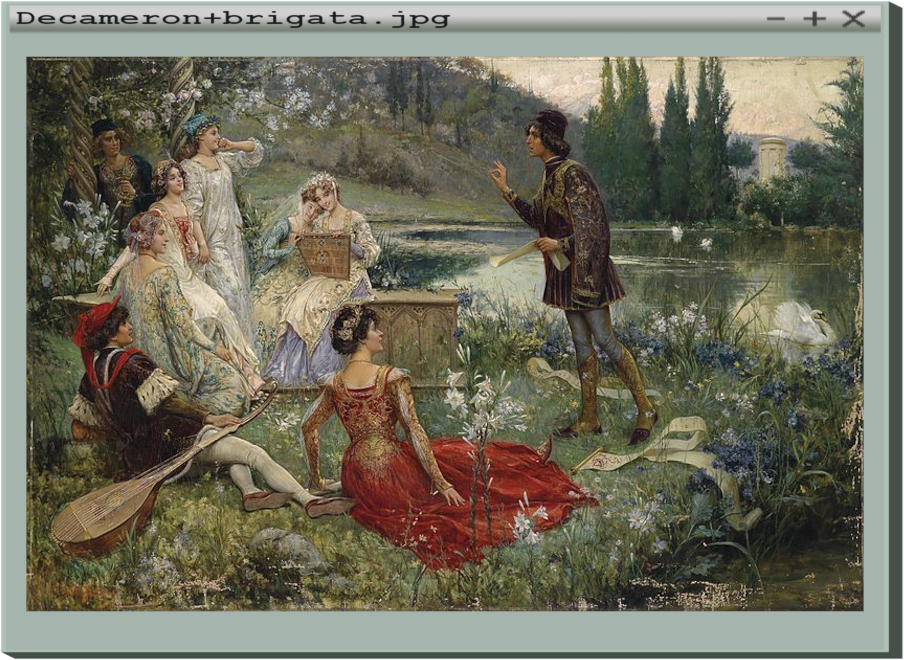
"Scene of the Narration of the Decameron," Salvatore Postiglione (1906)


I found that storytelling through music helped keep me optimistic and hopeful during the pandemic, becoming a positive outlet for me at a very difficult time. It’s easy to imagine the brigata in a similar position and responding in a similar way—they tell stories and sing songs as well, using them as a way to bond socially with the other brigata members.

I think it’s interesting that the settings that storytelling take place in throughout the Decameron all seem to be in response to sickness: the background of the plague in Florence and the Narrator’s own lovesickness. In both these frames, storytelling becomes a way of survival for people, reminding them that despite how much of our lives may be dictated by Fortune, both material and circumstantial, there is always a chance for people to determine their own fate.


Frame ii: UCI.

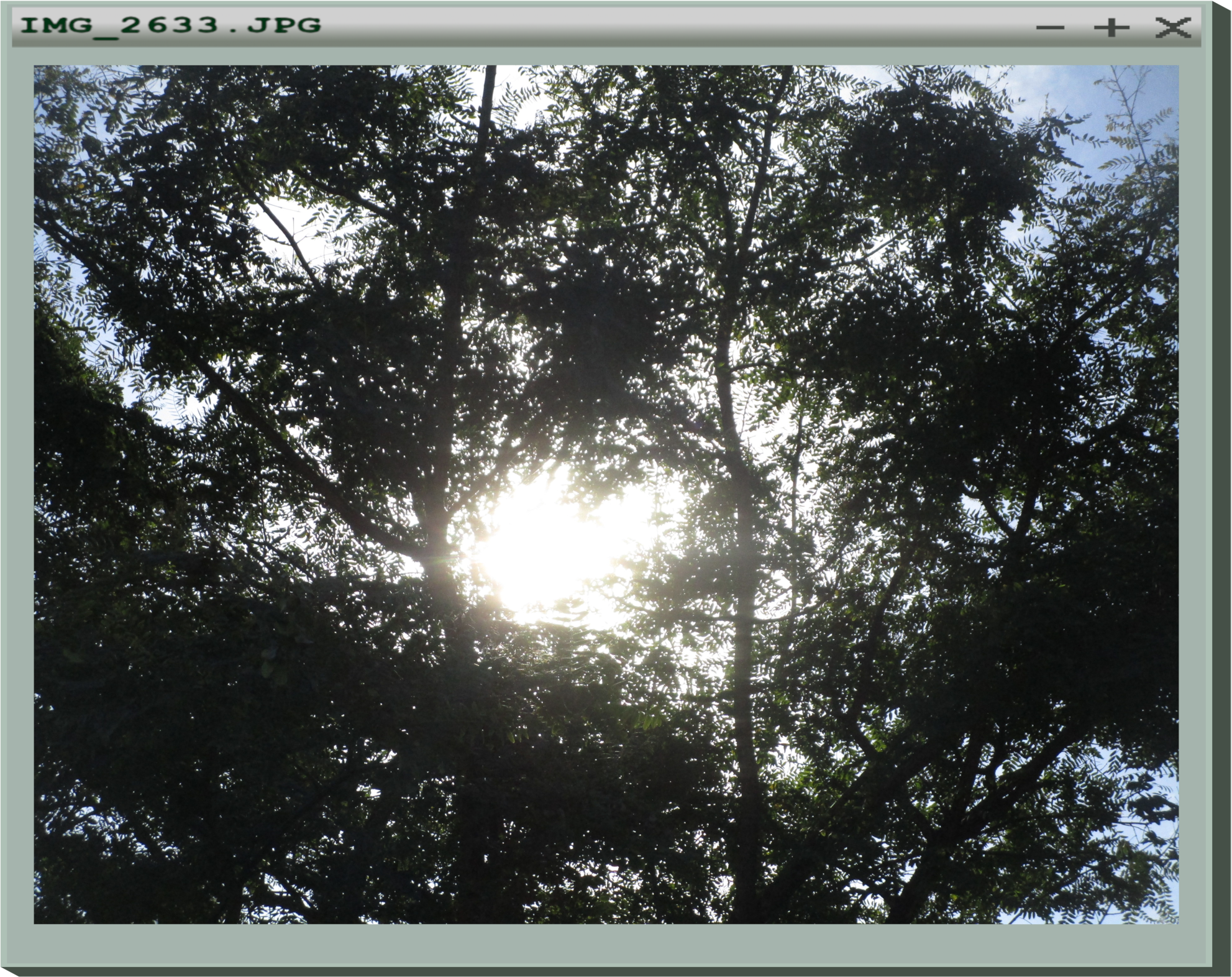
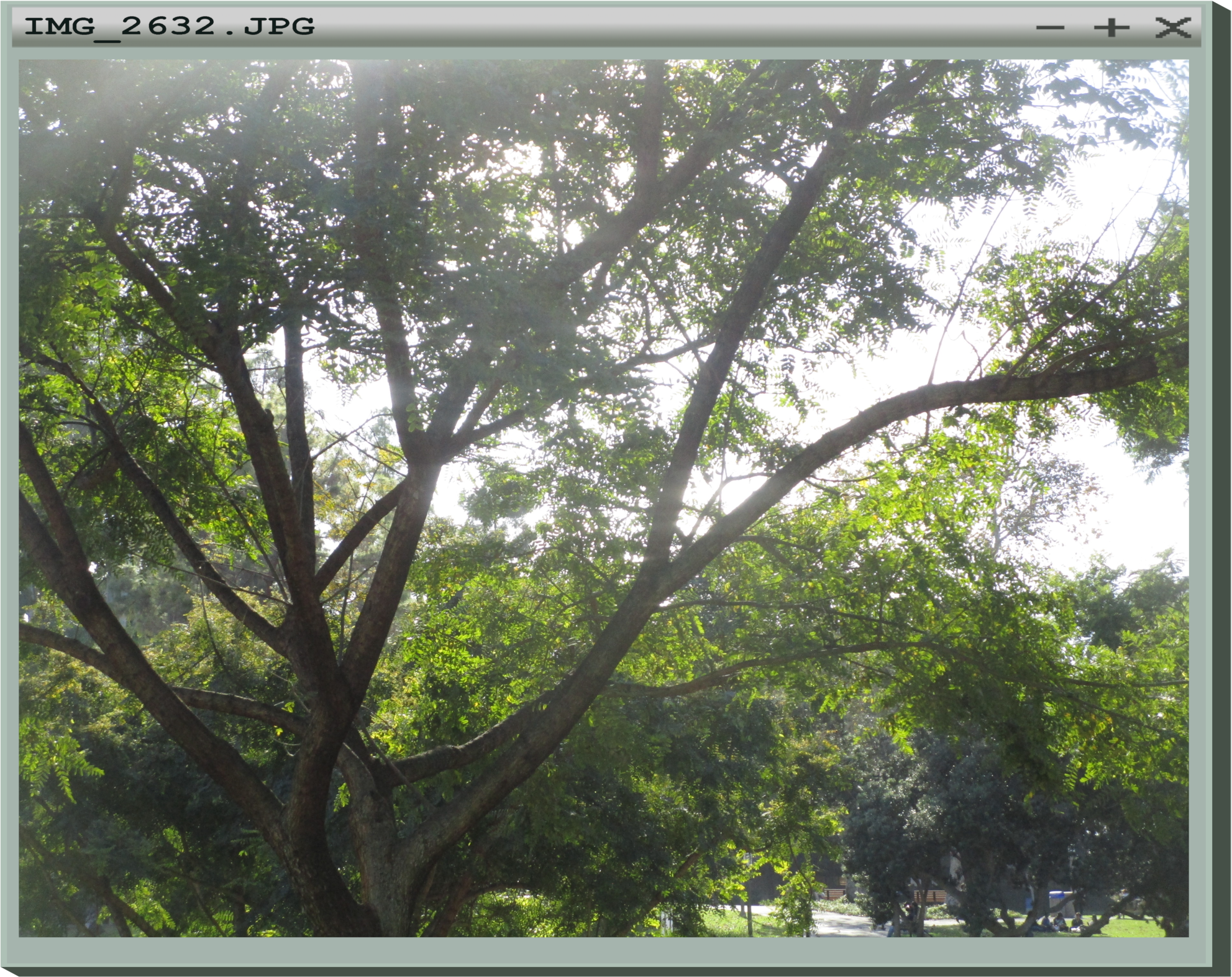
Throughout my time at UCI I’ve found that many of the spaces really feel like a world apart, although I’m only an hour-and-a-half car ride away from home. Despite my proximity to my hometown, San Diego, I still find myself feeling like UCI is really a pastoral setting—much quieter than the busy and often loud backdrop of Downtown San Diego. The serenity of Aldrich Park always offers a nice place for me to sit in and relax for a couple minutes out of my day. Although there are peaceful places in San Diego, UCI’s campus feels like a much more inviting place, with its openness and encircling around Aldrich Park.

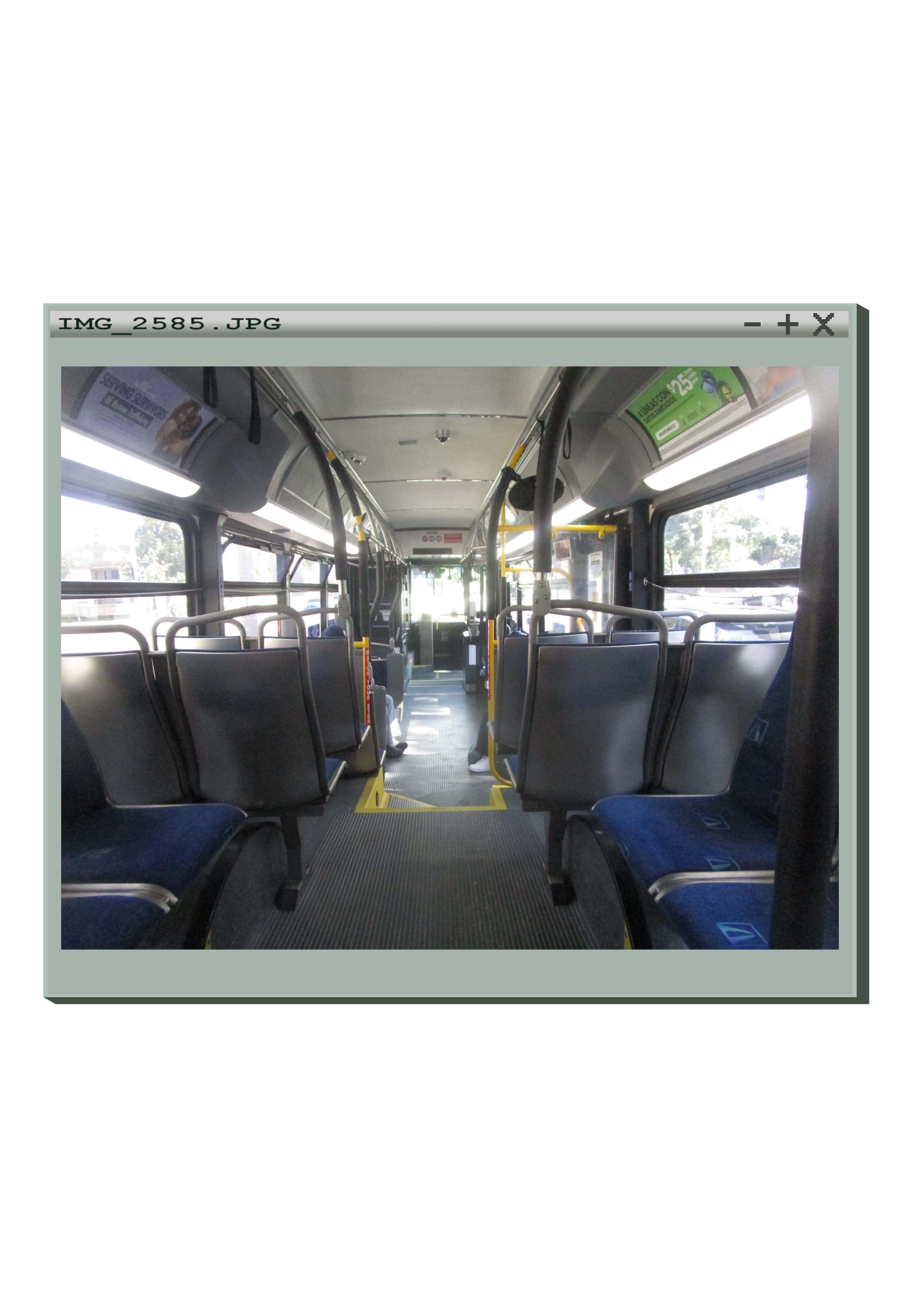
Living in Arroyo Vista housing, campus is a little bit of a walk, especially if the Anteater Express isn’t running. The distance can make campus feel more liminal, like there are different spaces that are inviting you to enter, while still guiding you forward. This liminality has set the tone for my time here at UCI in a way, reminding me of the intentionality required if I’m going to succeed. However, the liminality has also been a sort of comfort for me as well, seeing other students traveling to campus like me motivating me to keep that intentionality going for my time here.